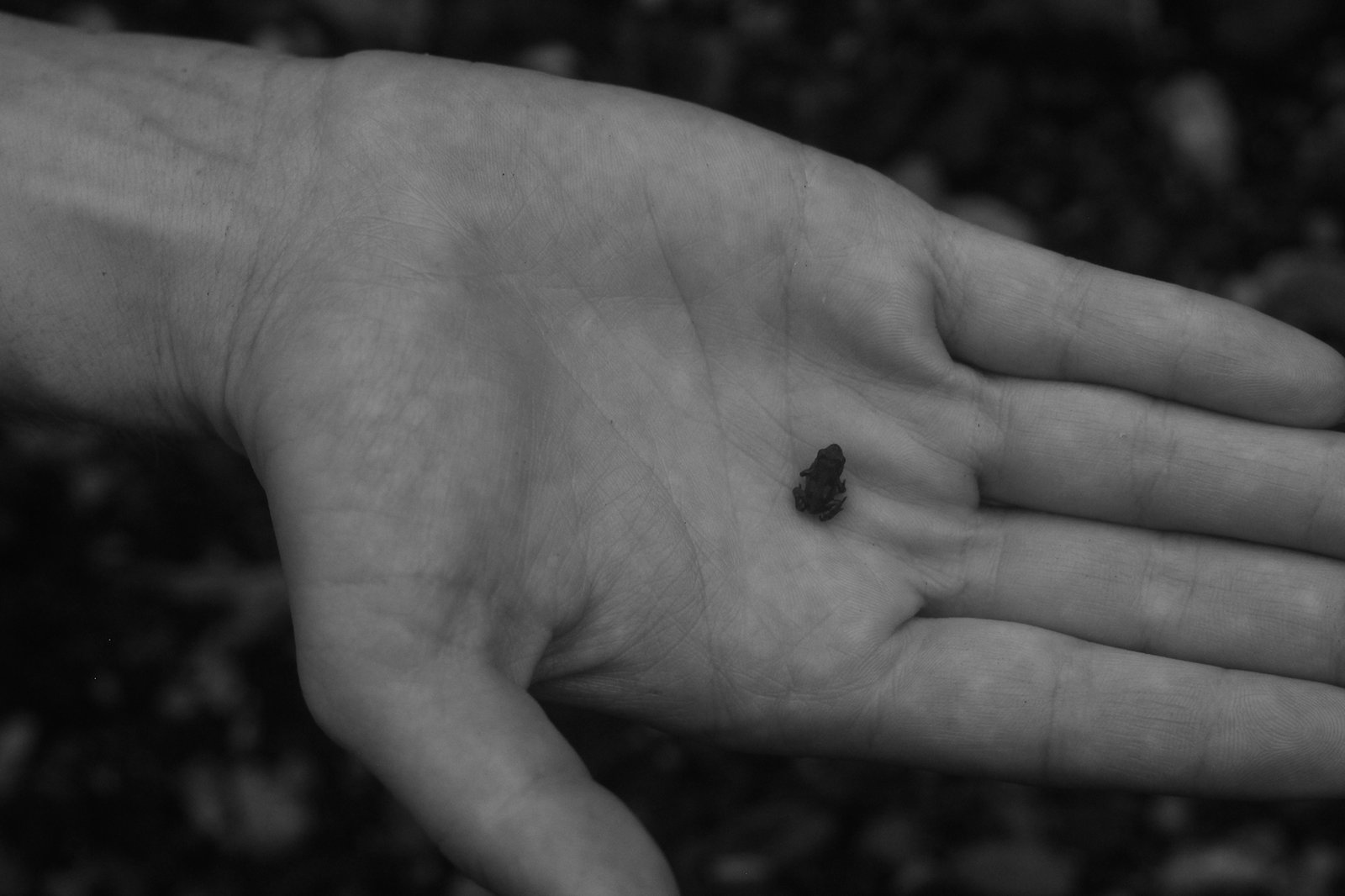
There is a particular sound a fig wasp makes when it dies, which is to say: no sound at all, because it’s roughly the size of a grain of rice.
A female fig wasp spends her entire adult life — a handful of days — searching for one specific fig tree, because her species and that tree have spent around sixty million years co-evolving into a relationship so exact that neither can reproduce without the other. This is one of the more spectacular examples of mutualism in the natural world, and few people have heard of it. We tend to tell stories of loss.
Ask a person on «the relationship between people and nature» and you’ll get: deforestation, extinction, plastic in the ocean. This isn’t inaccurate — but it is incomplete in a way that has consequences. If the only story we know how to tell about nature is one of harm and loss then the only role we know how to imagine for ourselves in it is: villain, or at best, absence. Stay away from nature. Leave no trace. Don’t touch. This is only a useful ethic for a museum.
Our hotel’s premise is to touch nature to be outside to be part of it. To leave a trace ( a good one of course ) Mutualism is everywhere, that it is one of the primary engines of evolution, and that human beings are — or were, or could be again — extremely good at it. But you probably read that last sentence and doubted it. We can’t afford to doubt ourselves like that anymore.